
8 Hidden Signs of Storm Damage That Could Lead to Roof Leaks
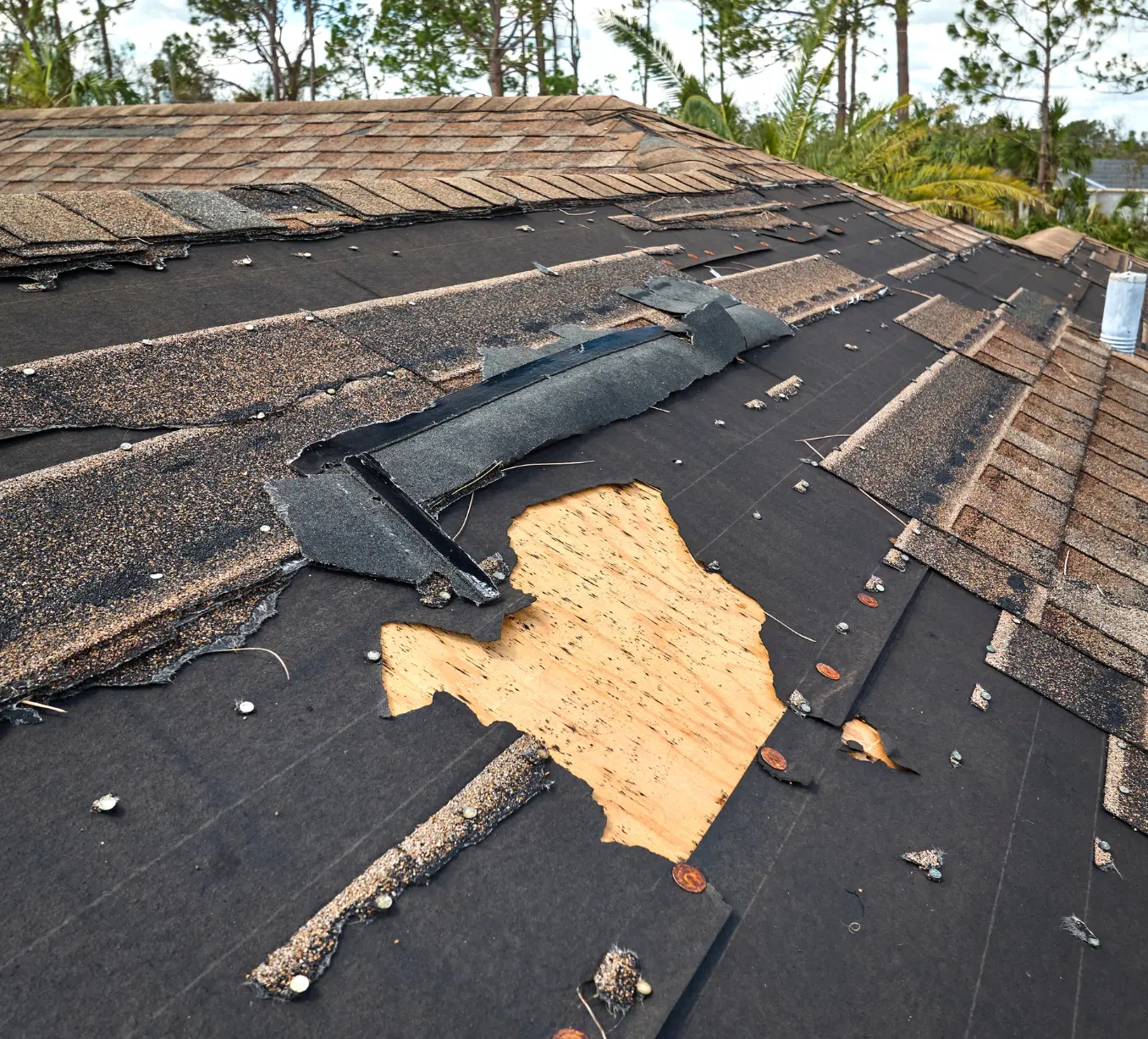
After a severe storm, your roof may look perfectly fine from the ground while hiding damage that can eventually allow water into your home. Strong winds, heavy rain, hail, and flying debris can weaken roofing materials without leaving obvious signs of trouble.
For Massachusetts homeowners, identifying these problems early is especially important because repeated rain, freezing temperatures, and winter weather can make existing roof damage worse. Understanding the warning signs can help you determine when to schedule a professional inspection and whether storm damage roof repair is necessary.
1. Loose or Lifted Roof Shingles
Shingles are designed to protect the underlying roof from moisture. During strong winds, their edges can lift, seals can break, and individual shingles may become loose without falling off completely.
From the ground, these areas may be difficult to recognize. However, lifted shingles can allow wind-driven rain to penetrate beneath the roofing surface.
Look for uneven shingle lines, exposed areas, or pieces of roofing material around your property after a storm. Avoid climbing onto the roof to investigate. A professional roofer can inspect the affected areas and determine whether repairs are needed.
2. Excessive Granules in Your Gutters
Asphalt shingles contain protective granules that help shield them from sunlight and weather exposure. Hail, strong storms, and aging can loosen these granules and cause them to collect in gutters or downspouts.
A small amount of granule loss can occur as shingles age, so it does not automatically indicate storm damage. However, a sudden increase following severe weather may deserve further investigation.
Check your gutters from a safe location for unusual accumulations of roofing granules. If you also notice exposed or damaged shingle surfaces, consider arranging a professional roof inspection.
3. Water Stains on Ceilings or Walls
Interior discoloration is one of the most important warning signs of a potential roof leak. After heavy rain, you may notice brown stains, peeling paint, bubbling drywall, or damp patches on ceilings and upper walls.
These symptoms can indicate that water is entering through damaged shingles, flashing, roof valleys, or other vulnerable areas.
Keep in mind that plumbing leaks and condensation can produce similar signs. Rather than assuming the roof is responsible, have the source of moisture identified before deciding on the appropriate repair.
4. Damaged or Separated Roof Flashing
Flashing is installed around roof penetrations and transitions, including chimneys, skylights, vents, and walls. It helps direct water away from joints where leaks can develop.
High winds and severe weather can loosen flashing, damage its seals, or expose gaps around these connections. Even a small separation can create a pathway for water to enter the roof structure.
After a storm, pay attention to water stains near chimneys, skylights, and upper-floor walls. These signs may indicate a flashing problem rather than widespread shingle damage.
For these issues, explore our roof repair services in Massachusetts to learn more about professional roofing repair options.
5. Damp or Musty Smells in the Attic
Not every roof leak produces an immediate ceiling stain. Sometimes, moisture enters the attic and remains trapped in insulation or wooden components before becoming visible inside the living space.
A persistent musty smell after a storm may indicate excess moisture. Other warning signs include damp insulation, darkened wood, or visible water marks on accessible attic surfaces.
However, poor ventilation and condensation can also cause attic moisture. A professional assessment can help distinguish between these possibilities and identify whether storm-related roof damage is contributing to the problem.
Addressing the source of moisture is important because prolonged dampness can damage building materials and encourage mold growth.
6. Damaged Gutters and Downspouts
Gutters help direct rainwater away from your roof edges and foundation. During severe storms, falling branches, heavy debris, and strong winds can bend gutter sections, loosen fasteners, or separate downspouts.
When gutters are damaged or blocked, water may overflow near the roofline or collect around vulnerable areas. This can contribute to moisture problems, particularly when water repeatedly reaches roof edges or exterior walls.
After a storm, look for sagging gutters, detached sections, visible dents, or downspouts that have shifted out of position.
7. Small Punctures or Impact Marks From Hail and Debris
Hailstones, tree branches, and windblown objects can damage roofing materials. Some impacts leave obvious holes, while others create cracks, bruising, or surface damage that is difficult to see without a closer inspection.
These defects may weaken the roof's protective surface and create opportunities for water intrusion during subsequent rainfall.
After severe weather, look for fallen branches, damaged shingles, or debris around the property. Do not walk across the roof or attempt to inspect suspected impact areas yourself.
A qualified roofing professional can examine the affected sections and determine whether the damage requires localized repairs or more extensive work.
8. Peeling Paint or Moisture Around Roof Edges
Roof leaks do not always appear directly beneath the damaged area. Water can travel along framing, sheathing, and other building components before reaching an interior surface.
Peeling paint near upper walls, damp trim, bubbling finishes, or discoloration around ceiling edges may therefore indicate a moisture problem connected to the roof.
These symptoms can also result from plumbing leaks, condensation, or exterior wall problems. A proper inspection helps identify the source rather than treating only the visible damage.
If these signs appear shortly after a storm, arrange an evaluation before additional rainfall makes the problem worse.
What Should You Do If You Suspect Hidden Roof Damage?
If you notice any of these warning signs, begin by documenting visible damage from a safe location. Take photographs of affected ceilings, damaged gutters, fallen branches, or roofing materials on the ground.
Avoid climbing onto the roof, particularly when surfaces may be wet, unstable, or covered in debris. If water is entering your home, take reasonable steps to protect your belongings and seek professional assistance.
A qualified roofer can assess the roof, identify likely entry points, and explain the available repair options. Depending on the findings, repairs may involve replacing shingles, repairing flashing, sealing vulnerable areas, or addressing damaged roof decking.
If the damage is widespread, the contractor can also explain whether a roof replacement should be considered.
Protect Your Home With Professional Roof Repair
Hidden roof damage can become more expensive when water continues entering the home. Recognising early warning signs and arranging a timely inspection can help you address problems before they affect additional parts of the property.
Caguana Construction & Roofing serves homeowners throughout Central Massachusetts, Eastern Massachusetts, and Uxbridge, MA. With more than 20 years of experience, licensed and insured service, and a focus on dependable workmanship, our team can assess roofing concerns and recommend appropriate next steps.
If you suspect you need professional storm damage roof repair, contact Caguana Construction & Roofing to discuss your concerns and request a free estimate.