
Roof Damage After High Winds? When to Call for Emergency Roof Repair
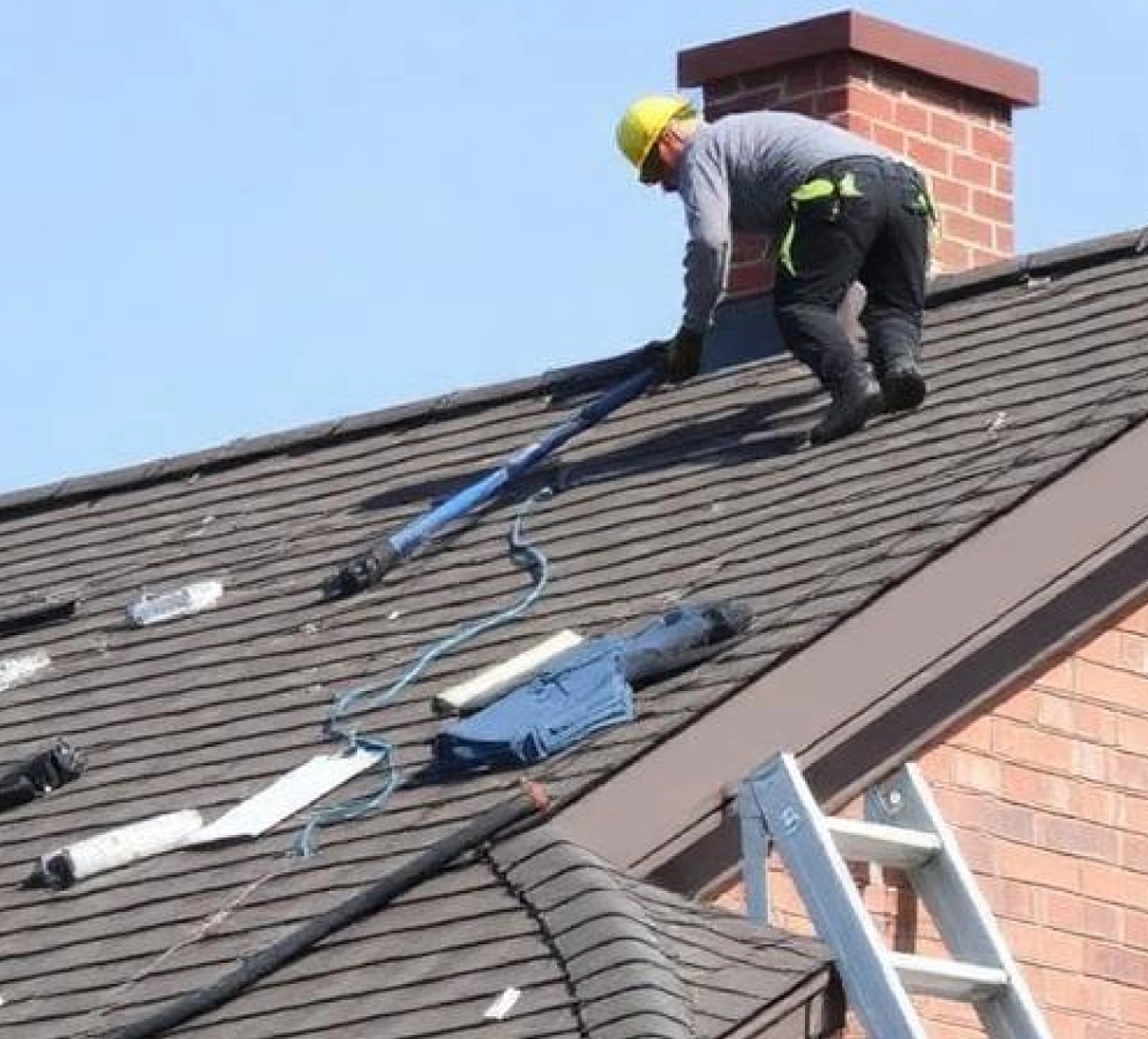
High winds can cause serious damage to a roof even when the damage is not immediately visible from the ground. Missing shingles, lifted flashing, damaged vents, and exposed roofing materials can allow water to enter your home during the next rainfall.
Knowing when to call for emergency roof repair can help prevent a relatively small roofing problem from turning into expensive interior and structural damage.
How High Winds Can Damage Your Roof
Strong wind can affect several components of a roofing system. Shingles may become loose, curled, cracked, or completely blown off. Wind can also damage flashing around chimneys, vents, skylights, and other roof penetrations.
In more severe storms, branches or other debris can strike the roof and create punctures or larger openings.
Some common signs of wind-related roof damage include:
- Missing or displaced shingles
- Lifted or curled shingles
- Exposed underlayment
- Damaged flashing
- Cracked or damaged roof vents
- Fallen branches or debris on the roof
- Water stains on ceilings or walls
- Active leaks inside the home
Even if the roof appears mostly intact, hidden damage can still create problems during the next storm.
When Should You Call for Emergency Roof Repair?
Not every roofing issue requires an immediate emergency response. However, certain types of damage should be addressed as quickly as possible.
You should consider emergency roof repair when high winds have caused an active roof leak, exposed areas of the roofing system, significant shingle loss, or structural damage.
For example, if you can see daylight through part of your roof, water is entering your attic or living space, or a large section of shingles has been blown away, waiting several days for a standard roofing appointment could allow additional damage to occur.
Prompt repairs can help protect the roof deck, insulation, ceilings, walls, and other parts of your home from continued exposure.
5 Signs Your Roof May Need Immediate Attention
1. Water Is Entering Your Home
An active leak is one of the clearest signs that your roof needs attention. Water stains, dripping ceilings, damp insulation, or wet attic areas can indicate that wind has compromised the roofing system.
Do not assume the problem will resolve once the rain stops. Water may continue entering through damaged areas during future storms.
2. Large Sections of Shingles Are Missing
A few damaged shingles can still expose the underlying roofing system. If high winds have removed a large number of shingles, the exposed areas may be vulnerable to rain and additional wind damage.
3. Flashing Has Been Lifted or Damaged
Roof flashing helps direct water away from vulnerable areas such as chimneys, walls, valleys, and vents. Wind can loosen or bend flashing, creating pathways for water to enter.
If you notice damaged flashing after a storm, have the area professionally evaluated.
4. A Tree or Branch Has Hit the Roof
Falling branches can puncture shingles, damage the roof deck, or affect structural components. Even if there is no visible leak, impact damage should be inspected as soon as possible.
5. You Notice Interior Water Damage
Brown ceiling stains, bubbling paint, damp walls, and wet insulation can all indicate that water has entered through the roof.
Interior damage often means the roofing problem has already progressed beyond a cosmetic issue.
What Should You Do After High-Wind Roof Damage?
If you suspect wind damage, start by keeping everyone safely away from visibly damaged areas. Avoid climbing onto the roof yourself, especially after a severe storm.
From the ground or a safe location, look for missing shingles, fallen debris, exposed roofing materials, and other obvious damage.
If water is entering your home, place containers beneath active drips and move furniture or belongings away from the affected area when possible.
Then contact a professional roofer for an assessment. If the damage is allowing water into your home or leaving the roofing system exposed, emergency roof repair may be necessary to protect the property.
Can High-Wind Damage Get Worse If You Wait?
Yes. A damaged roof can become more vulnerable to subsequent rain and wind. A loose shingle may be torn away completely, while a small opening can allow water to reach the roof deck and insulation.
This is especially important in areas that experience changing weather conditions. Temporary protection may sometimes be necessary until permanent repairs can be completed.
Addressing damage promptly can help reduce the chance of additional repair costs.
Emergency Roof Repair vs. Regular Roof Repair
The difference generally comes down to the urgency and severity of the problem.
Routine roof repairs may involve minor leaks, isolated shingle damage, or maintenance issues that are not creating an immediate threat to the home.
Emergency roof repair is more appropriate when the roof has suffered significant storm damage, an active leak, major material loss, or another problem that requires prompt attention to prevent further damage.
A professional roofing contractor can evaluate the condition of your roof and recommend the appropriate solution.
Protect Your Home After High-Wind Damage
High winds can leave behind roofing problems that are easy to overlook. Checking for missing shingles, damaged flashing, leaks, and debris after a major storm can help you identify issues before they become more expensive.
If your roof has suffered significant damage, contacting a professional quickly is the safest approach. Caguana Construction & Roofing provides roofing services for homeowners who need dependable solutions after storm and wind damage.
For additional information about protecting your home, explore our roof repair services and roofing services in Massachusetts.
If you notice signs of serious wind damage or an active leak, contact a professional roofing contractor to determine whether emergency roof repair is needed.